


The Human First Handbook
The Digital Decisions FAQ Nobody Gives You
Built From Years Of Asking Questions
The Human First Handbook has grown out of years of working in digital transformation, business change and the messy reality of bringing people, processes, systems and information together.
We’ve worked with businesses where the technology was the problem. We’ve worked with businesses where the technology was perfectly adequate and the real problem was somewhere else entirely.
We’ve seen new systems bought when existing ones could do the job, businesses paying twice for the same functionality. We’ve seen brilliant software undermined by a process that doesn’t work, important information living in someone’s head and teams quietly building spreadsheets to bridge the gaps between systems and we’ve seen plenty of things that looked like problems but, once we understood them properly, were best left alone.
Over time, you learn that the most useful starting point usually isn’t “What should we buy?”
It’s “What’s actually going on?”
The Human First Handbook brings those questions together.
Meet The Businesses Behind The Questions
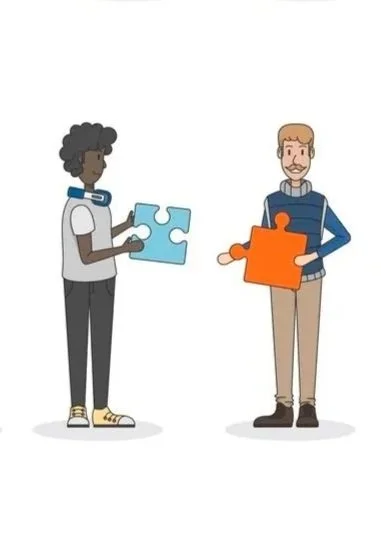
Meet James & David

They asked…
Do We Know What systems We’ve Actually Got?
James and David run an architecture practice that has grown steadily over the years. New people joined, others left, departments chose tools they needed and different suppliers came and went.
When they finally tried to map everything the business was using, they discovered there was far more supporting the day-to-day operation than either of them realised.
The first job wasn’t changing anything. It was working out what they actually had.
Sound Familiar?
If you recognise some of your own business in this story, you don’t have to work it all out alone. Come and see us and we’ll help you ask the right questions, make sense of what you’ve got and work out what deserves your attention.


Meet Rachel
She asked…
Are We Paying for the Same Thing Twice?
Rachel runs a busy training business. Over time, she’d added different tools to solve different problems. When we looked more closely, we discovered she was paying separately for functionality that was already included in another system she used.
Nothing was particularly wrong. Nobody had made a bad decision. The business had simply accumulated tools faster than anyone had stopped to check what they could already do.
Sound Familiar?
If this feels a little too familiar, get in touch. We can help you look at what’s happening, make sense of the options and decide what if anything needs to change.
Meet Sarah and Tom
They asked…
Do Our Systems Actually Work Together?
Sarah and Tom run a growing property business. They had systems for enquiries, customers, accounts and marketing, and individually they all worked reasonably well.
The problem was what happened between them. Staff were copying information, updating spreadsheets and checking different systems to keep everything aligned.
Nothing was obviously broken. The people had simply become the integration.
Recognise Your Business Here?
These situations are more common than you might think. If you’d like another pair of eyes on yours, reach out and we’ll help you work out what’s going on and what to do next.
The questions in the Human First Handbook come from real business problems we’ve encountered over many years of working with organisations at different stages of growth.
To bring those problems to life, we’ve created a cast of fictional businesses and characters. Their stories are composite case studies combinations of situations, behaviours and challenges we’ve seen across real clients, rather than accounts of one identifiable business.
You’ll meet everyone from sole traders and microbusinesses to established SMEs, growing teams and larger organisations. Different businesses, different people and different circumstances, but often surprisingly similar questions.
We’re also happy to provide genuine client testimonials, references or relevant examples as part of a conversation about working together.